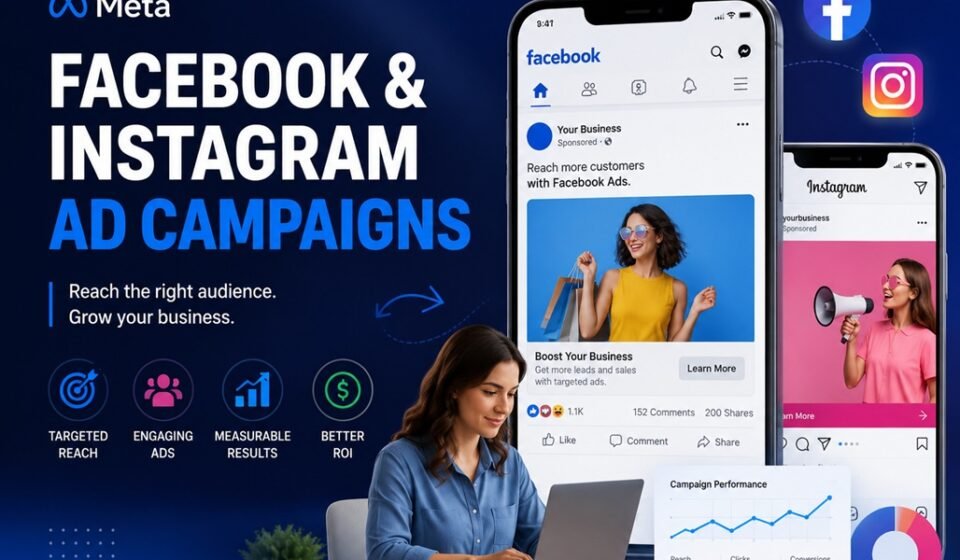

Social media advertising has evolved into one of the most powerful lead generation engines available to modern marketers. With over 3.2 billion users across Meta’s platforms, the opportunity is enormous — but so is the competition. The difference between campaigns that consistently deliver qualified leads and those that drain budgets comes down to strategy, execution, and continuous optimization. This guide walks you through every critical element.
Step 1: Define Your Lead Generation Objective Before You Spend a Dollar
Before touching Meta Ads Manager, establish clarity on what a “lead” means for your business. Is it a form submission, a booked call, a WhatsApp inquiry, or an email sign-up?
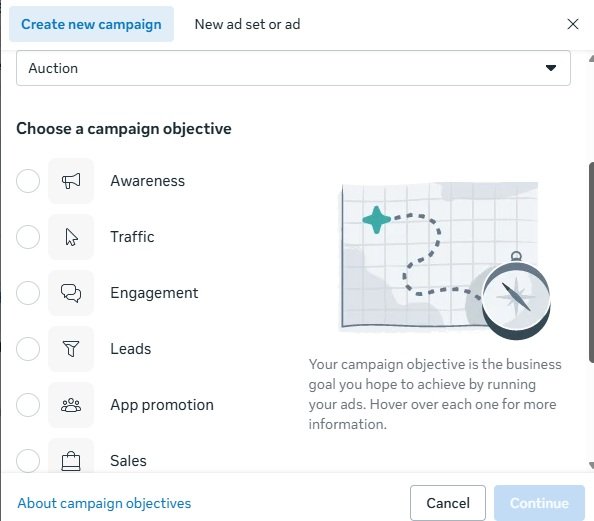
Choose the right campaign objective. For most lead generation goals, Leads (using Meta’s native lead forms) or Conversions (driving traffic to a landing page) are your primary options. Native lead forms reduce friction and tend to lower cost-per-lead, while conversion campaigns work better when you need leads pre-qualified through a longer form or multi-step funnel.
Pro tip: If you’re running a service-based business, test both simultaneously. Many advertisers find native forms deliver volume while landing page campaigns deliver higher intent.
Step 2: Build Audiences That Actually Convert
Audience quality determines campaign quality. Meta’s targeting capabilities are sophisticated, but only when used strategically.
Core Audiences use interest, demographic, and behavioral filters. Layer these carefully — combining job titles, industry interests, and purchase behaviors creates a tighter, more qualified pool.
Custom Audiences are your highest-value asset. Upload customer lists, retarget website visitors via the Meta Pixel, or target people who have engaged with your Instagram profile or Facebook page. These audiences already know your brand and convert at significantly higher rates.
Lookalike Audiences let Meta find users who share characteristics with your best existing customers. Start with a 1% lookalike of your top customer list for maximum similarity, then scale to 2–5% as you need broader reach.
Audience Stacking Strategy: Begin with retargeting warm audiences, then layer in lookalikes, and use cold interest-based audiences for top-of-funnel awareness. Separate these into distinct ad sets so budget and performance data remain clean.
Step 3: Create Ads That Stop the Scroll
Creative is the single most impactful variable in Meta advertising performance. Research consistently shows that creative accounts for roughly 70% of campaign success.
What works right now:
- Short-form video (15–30 seconds): Lead with a problem statement in the first three seconds. Attention is lost instantly without a hook.
- User-Generated Content (UGC) style: Authentic, camera-facing testimonials and demonstrations outperform polished production in most lead gen categories.
- Static carousel ads: Ideal for showcasing multiple service benefits or social proof points. Each card should carry a single, clear message.
- Problem-agitate-solution copy: Address a specific pain point, intensify it briefly, then present your offer as the clear resolution.
Case Study: A B2B SaaS company running HR software generated a 43% reduction in cost-per-lead by switching from corporate banner-style creatives to a 22-second video of a real HR manager explaining the software’s impact on their day. The authenticity drove trust and qualified leads simultaneously.
Step 4: Run A/B Tests the Right Way
Random testing wastes budget. Structured testing builds compounding knowledge.
Test one variable at a time: headline vs. headline, creative format vs. creative format, or audience segment vs. audience segment. Use Meta’s built-in A/B Test feature in Ads Manager to ensure statistical fairness and avoid audience overlap.
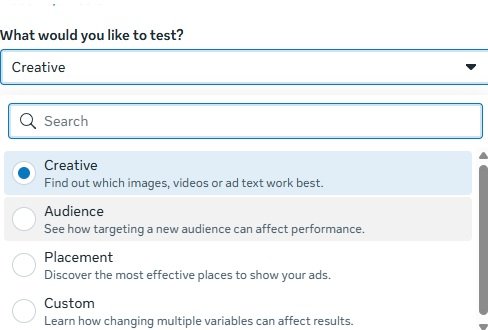
Run tests for a minimum of seven days with enough budget to generate at least 50 conversions per variation. Declare a winner based on cost-per-lead, not just click-through rate — traffic that doesn’t convert is irrelevant.
Maintain a testing log documenting what was tested, the hypothesis, results, and the action taken. Over three to six months, this becomes a strategic playbook.
Step 5: Leverage Meta AI and Advantage+ Features
Meta’s AI tools have matured significantly and can meaningfully accelerate performance when used correctly.
Advantage+ Placements automatically distributes your ads across Facebook, Instagram, Reels, Stories, and the Audience Network, finding the lowest cost-per-result across surfaces.
Advantage+ Creative makes real-time micro-adjustments to brightness, text variations, and aspect ratios. Enable this for scaling campaigns but monitor it closely — review creative variations regularly to ensure brand consistency.
Advantage+ Shopping Campaigns and Advantage+ Audience are Meta’s AI-driven targeting tools that expand beyond defined audiences when the algorithm identifies higher-probability converters. These work well at scale but need at least 50 conversions in the pixel before they optimize effectively.
Step 6: Optimize Continuously Using the Right Metrics
Track Cost Per Lead (CPL), Lead Quality Score (tie ad data to CRM outcomes), Frequency (above 3.5 signals audience fatigue), and Landing Page Conversion Rate.
Refresh creatives every three to four weeks to combat ad fatigue. When a campaign scales successfully, resist the urge to make dramatic changes — increase budgets by no more than 20% every 48 hours to avoid disrupting Meta’s learning phase.
Takeaways
- Generating more leads from Facebook and Instagram isn’t about spending more — it’s about building a system.
- Define your objectives, build layered audiences, invest in creative that genuinely connects, test with discipline, and let Meta’s AI tools amplify what’s already working.
- The businesses consistently winning with Meta ads treat it as a process of structured learning, not a set-and-forget channel. Start with one campaign built on these principles, measure rigorously, and scale what the data confirms -especially when it comes to new creatives.